Pathology demands extreme precision. We cut laboratory tissue sections at 1 to 5 μm. These sections are up to 50 times thinner than a human hair. Microscopic blade flaws create massive problems in these environments. They cause workflow bottlenecks. They compromise sample integrity. They severely delay critical patient diagnostics. We must transition our thinking immediately. We can no longer view these tools as basic commodities. We must evaluate them as critical variables for diagnostic accuracy and laboratory efficiency.
Choosing the right equipment ensures better patient outcomes. You protect patient health through reliable diagnostic slides. You streamline daily laboratory workflows. We will explore how blade profiles impact success. We will examine material composition and advanced coatings. You will learn actionable strategies to maximize equipment lifespan. Discover the true benefits of prioritizing premium histology tools.
Key Takeaways
Investing in high-quality blades minimizes the hidden costs of repeated sectioning, sample waste, and diagnostic delays.
Blade selection must align with tissue density—utilizing distinct profiles (high vs. low) and advanced coatings for specific histological challenges.
Premium materials (like Tungsten Carbide) and specialized surface treatments drastically reduce friction, preserving cellular architecture.
Proper Standard Operating Procedures (SOPs), including environmental controls and correct clearance angles, are mandatory to realize the full ROI of premium blades.
The Hidden Costs of Compromised Precision Cutting
A sub-optimal cut sets off a dangerous chain reaction. Tissue compression occurs immediately. The sample suffers from chatter or tearing. This damage directly produces unreadable slides. Technicians must then perform forced re-cuts. Patient diagnoses suffer inevitable delays. The domino effect disrupts the entire laboratory schedule. Diagnostic risk increases when cellular architecture distorts. Pathologists cannot accurately read a compressed cell. They demand clear, pristine morphological structures.
Poor blade sharpness increases physical resistance. Technicians face this resistance during manual or semi-automatic sectioning. This repeated physical strain directly contributes to Repetitive Strain Injury (RSI). Lab personnel suffer unnecessary muscle fatigue. Their wrists and shoulders bear the brunt of dull equipment. Better sharpness means smoother handwheel rotation. It protects the operator from long-term ergonomic damage.
The Efficiency Perspective
We must challenge the standard upfront procurement mindset. Frequent replacement of cheap blades creates massive workflow disruptions. You waste expensive paraffin blocks. You lose valuable technician time during constant blade swaps. These operational inefficiencies easily eclipse any initial perceived savings. A reliable microtome blade ensures smooth daily operations. It keeps throughput high. It prevents the lab from grinding to a halt during difficult cases.
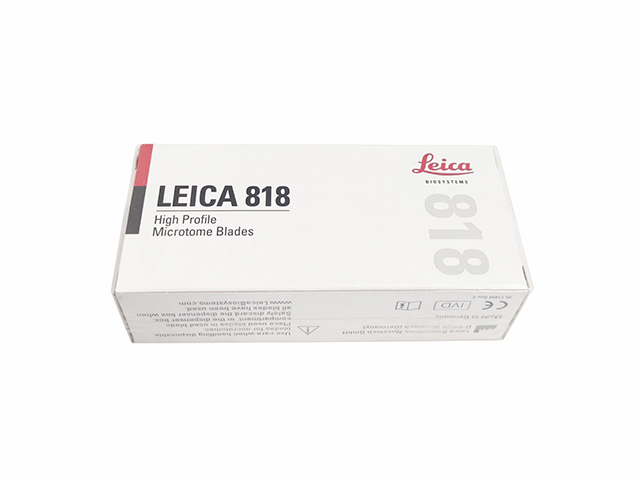
Core Benefits of Upgrading Your Tissue Sectioning Blades
Uncompromised Sample Integrity
Optimized blade edges prevent destructive micro-chatter. Micro-chatter looks like tiny horizontal bands across the tissue. It obscures vital cellular structures under the microscope. Optimized edges also eliminate vertical striations. Striations happen when blade defects drag debris through the wax. Consistent "ribboning" remains a top priority. A continuous tissue chain requires perfectly uniform blade tension. The sharpness must remain absolute across the entire cutting facet. High-quality blades guarantee this uniform sharpness.
Enhanced Consumable Economics & Workflow Speed
Premium disposable blades deliver exceptional efficiency. High-durability edges reduce mid-block swapping. You streamline high-throughput laboratory environments. Technicians maintain a steady, productive pace. We see significantly faster turnaround times for slide preparation. Less downtime means more cases processed per shift. The lab operates like a well-oiled machine.
Fewer Swaps: Durable edges complete entire blocks without degrading.
Faster Prep: Technicians spend less time aligning new blades.
Less Waste: Fewer damaged sections mean less wasted paraffin.
Broad Equipment Compatibility
Tier-one consumables fit seamlessly into existing workflows. Engineers design them for broad lab ecosystems. You can use them in standard rotary microtomes. They perform beautifully in clinical cryostats. Standardized options guarantee success across the board. A premium Leica microtome blade ensures rigid clamping. It eliminates micro-vibrations across different machine brands. This stability is non-negotiable for ultra-thin sections.
Material Science: Evaluating Blade Composition and Coatings
Stainless Steel vs. Tungsten Carbide
Stainless steel remains the trusted industry standard. It handles routine histology perfectly. It offers great performance for standard precision cutting. Most labs rely on it for daily biopsies. It balances sharpness with flexibility. It resists corrosion in humid lab environments.
Tungsten carbide offers a highly specialized solution. We use it specifically for extreme density. It provides superior edge retention under heavy stress. You need it for decalcified bone. It works exceptionally well on resin-embedded samples. Hard plant tissues require this tough material. Tungsten carbide resists deformation where steel would instantly curl.
The Role of Advanced Surface Coatings
Sectioning physics demand careful attention. Reducing surface friction matters just as much as initial sharpness. Plasma treatments act as micro-level lubricants. Proprietary polymer coatings achieve similar friction-reducing results. They prevent delicate tissue from curling over the edge. They stop sticky wax build-up on the blade facet. A clean facet ensures the next section slides off perfectly. Without these coatings, technicians fight constant wax accumulation.
The 4-Point Framework for Matching Blades to Lab Needs
We provide a proven decision-stage evaluation matrix. Use this 4-Point Model to guide your procurement strategy. Evaluate Density, Thickness, Equipment, and Throughput carefully.
Framework Point | Evaluation Focus | Optimal Recommendation |
1. Tissue Density | Soft vs. Hard structures | Low-profile for soft; High-profile for hard. |
2. Target Thickness | Micron range requirements | Standard steel for 3-5 μm; Tungsten for 1-2 μm. |
3. Equipment Type | Rotary vs. Cryostat setups | Verify clamping jaws match the blade profile. |
4. Lab Throughput | Volume of daily blocks | Coated disposable options for high-volume labs. |
Low-Profile vs. High-Profile Selection
Low-profile blades are shorter and narrower. You use them for soft, fragile tissues. Brain, liver, and kidney samples need them. They handle standard paraffin-embedded sections beautifully. The optimal thickness runs from 3 to 5 μm. They provide ultimate sharpness for delicate cellular margins.
High-profile blades are taller and thicker. Engineers design them for rigid stability. Dense tissues require this sheer strength. Cartilage and skin demand high-profile options. They excel at thicker frozen sections. These clinical sections range from 5 to 10 μm. The thicker spine prevents the blade from flexing during the cut.
Specialty Application Lenses
Specialized workflows require specific edge geometries. You might perform ultra-thin high-resolution sectioning. This advanced work requires 1 to 2 μm precision. Clinical cryostat sectioning demands immediate, aggressive cuts. Proper tissue sectioning blades adapt perfectly to these distinct lenses. Different facet angles cater to different embedding media. You must match the geometry to the specific research application.
Implementation Realities: Maximizing Your Microtome Blade Lifespan
SOPs for Setup
A premium blade fails completely if installed improperly. You must establish strict Standard Operating Procedures (SOPs). Finding the exact clearance angle is mandatory.
Clean the blade holder thoroughly before insertion.
Insert the blade safely without touching the cutting edge.
Adjust the clearance angle typically between 3 and 8 degrees.
Lock the clamping mechanism firmly to prevent vibrations.
Locking the exact angle prevents the dreaded "venetian blind" effect. It stops the machine from skipping sections entirely.
Environmental Variables
External factors directly influence daily blade performance. Embedding paraffin wax quality matters immensely. Cheap wax sticks to the facet and dulls the edge. Strict temperature balancing is non-negotiable. Cold environments demand precise calibration. You must control these external forces. A warm block expands into the blade. An overly cold block shatters against it. Expertise requires balancing the blade profile with perfect block temperature.
Maintenance & Tracking
Implement strict dry-storage protocols immediately. Moisture causes rapid micro-corrosion on the cutting edge. Remove residual wax cautiously from the holder. Never make direct contact with the blade edge. Track daily utilization rates closely. Establish predictable replacement cycles based on block counts. High quality microtome blade management ensures optimal diagnostic results. Predictable tracking prevents mid-cut failures.
Conclusion
A microtome blade represents the final, crucial contact point in histopathology. It is not merely a consumable item. It actively defines the success or failure of the entire diagnostic process. Proper blade selection prevents ruined samples and delayed patient care.
Lab managers should audit their current recut rates immediately. You should listen closely to technician feedback regarding ergonomic strain. Evaluate these operational metrics before initiating your next procurement cycle. Small upgrades yield massive workflow improvements.
We encourage you to request sample packs from tier-one manufacturers. Run blind comparative trials in your own facility. Test them on your most difficult tissue blocks. Let the direct evidence guide your final lab implementation.
FAQ
Q: What is the standard thickness of a microtome section?
A: Standard paraffin sections measure between 3 and 5 μm. High-resolution sections require extreme precision at 1 to 2 μm. Frozen sections typically range from 5 to 10 μm depending on the tissue.
Q: What causes tissue to tear or chatter during sectioning?
A: Dull blades cause the most tearing. Incorrect clearance angles create heavy chatter across the tissue. Loose blade clamping also ruins the cut by introducing microscopic vibrations.
Q: When should a lab switch from stainless steel to tungsten carbide blades?
A: Switch when processing exceptionally hard specimens like decalcified bone. Steel blades degrade rapidly against dense materials. Tungsten carbide maintains edge integrity and significantly reduces lab downtime.
Q: Are high-profile blades better than low-profile blades?
A: Neither is universally better. High-profile options provide essential stability for dense, thick tissue. Low-profile versions deliver ultimate sharpness required for delicate, thin sections.


